
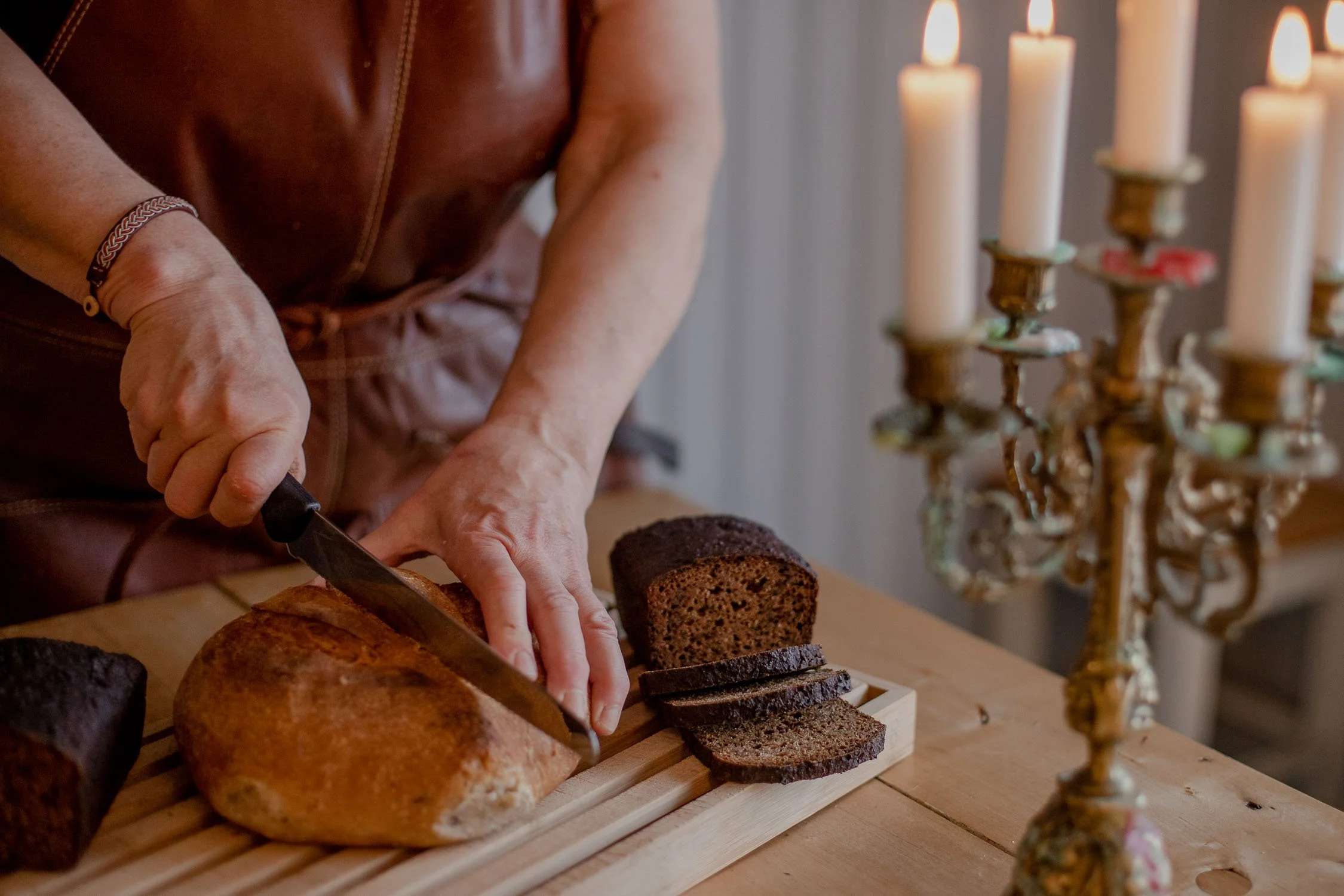
Artisan food is a handcrafted product made from Finnish ingredients, where skill, quality and authenticity can be tasted in every bite
Producers know their raw materials inside out — often they grow, raise or source them locally, ensuring freshness and traceability.
Tradition and Local Identity
Artisan food combines Finnish food heritage with local character. Producers rely on traditional methods such as fermentation, salting, smoking and curing, while continuously developing them to create new and exciting flavours. The goal is to preserve traditional knowledge and integrate it into today’s food culture.
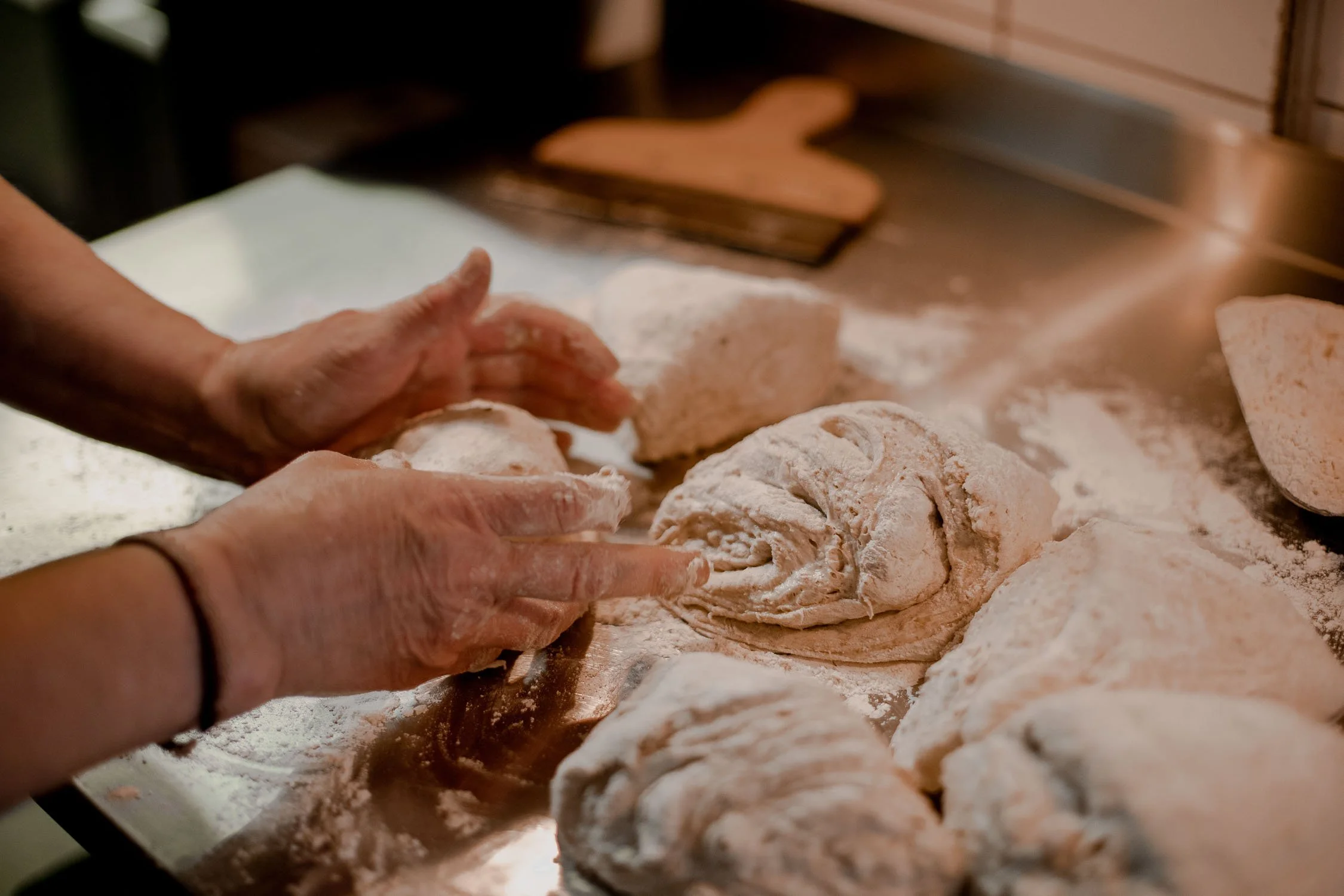
Pure Ingredients, Handcrafted Production
Artisan products are made from domestic primary ingredients without preservatives or additives. Production is guided by the maker’s hands — machines may assist with physical work, but automated processing lines are not part of artisan food. Smart digital tools can support quality, not replace craftsmanship.
Artisan food is always local: raw materials are traceable and often sourced from the producer’s own farm or nearby communities. This makes artisan products high-quality, environmentally responsible and socially sustainable.
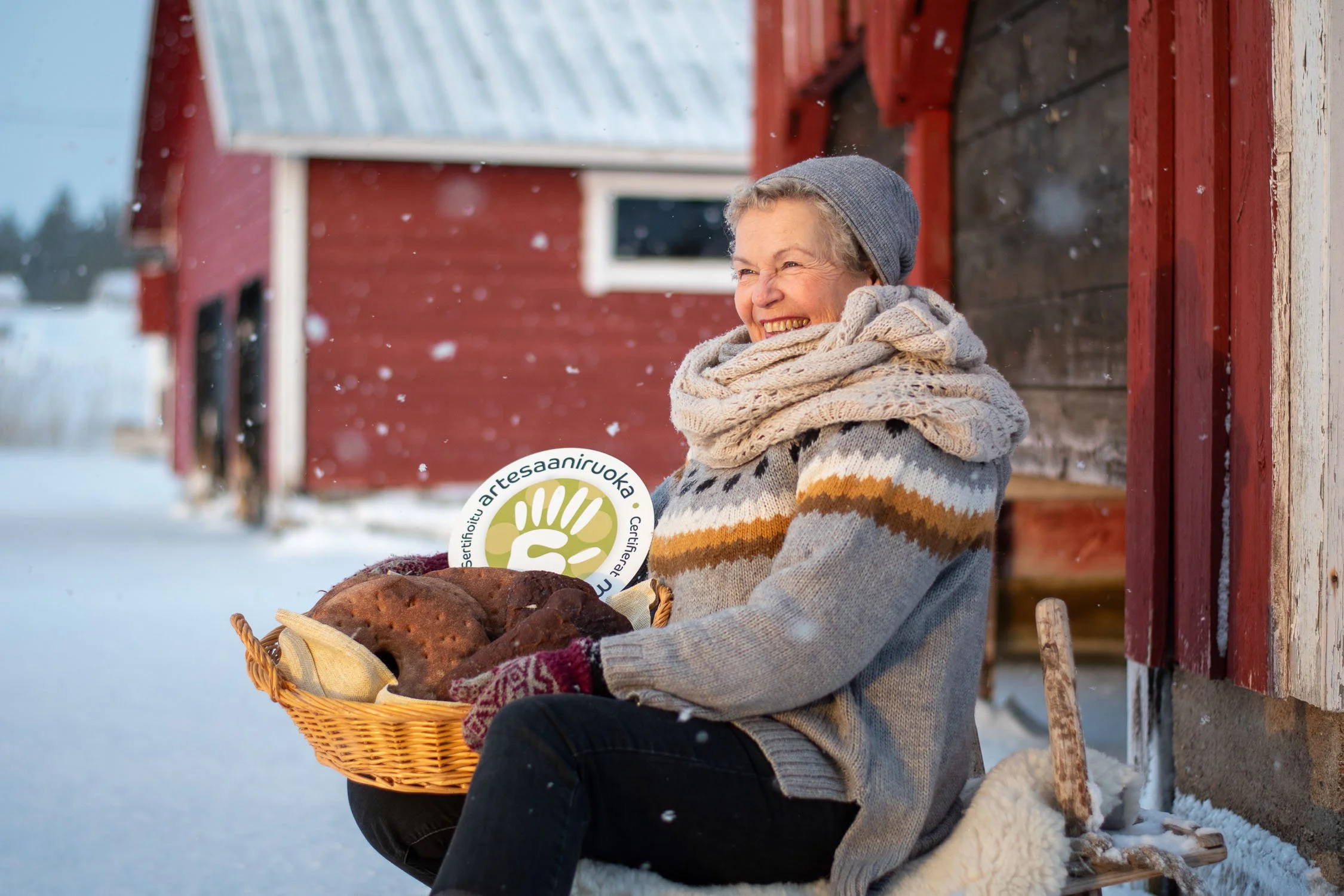
The People Behind the Food
Every artisan product carries the story of its maker, its place and its time. Artisan food is more than a product — it is culture, identity and community.

Check out the company stories
-
Tuuli Rautava from Savukoski is a new food entrepreneur. According to her, the products developed from her own needs and interests have been well received in the market. Tuuli is participating in the Finnish Artisan Food Championships in Rovaniemi, and the theme is close to her heart.
-
The Kujala farm in Hailuoto has been inhabited for over 400 years. The farm's operations are based on raising cattle that graze on the seashore pastures of Hailuoto Island. Since then, the company's product range has also expanded to include its famous leek sauces.
-
Petri Manninen is a commercial fisherman from Simojärvi in Ranua. His company, Ranuan kalajaloste Oy, processes fish using traditional log ovens. Petri has participated in the Finnish Artisan Food Championships several times.
Read how Petri managed to realize his long-held dream of becoming a commercial fisherman and fish processor.
-
Johanna Koskela from Pirkanmaa says she has become hooked on baking with sourdough. She sold her bread at the local REKO market, where it was very well received. According to this entrepreneur and bread lover, baking with sourdough immediately felt like the right thing for her.
-
Mikko Ilmoniemi, an entrepreneur from Jyväskylä, grows hemp and processes products for the Jyväs-Hamppu product family. In addition to Mikko, Vesa Kaakkuriniemi also works as an entrepreneur at Suomen Hampputuotteet Oy.
Read how Mikko ended up growing and processing hemp into food products.
-
Sabina Ekholm and her husband Torsten grow strawberries and legumes on Kemiönsaari Island. Sabina says that production began as a hobby, and she enjoys cooking and making jams.
Read more about how Sabina became an artisan food entrepreneur.
-
Lapin Gourmetkokit is a company located in Sattasessa, Sodankylä, run by entrepreneurs Asko and Maritta Autio. According to Maritta, producing artisan food comes naturally when you have learned to make use of local natural resources since childhood.
Read more and learn about Lapin Gourmetkokit
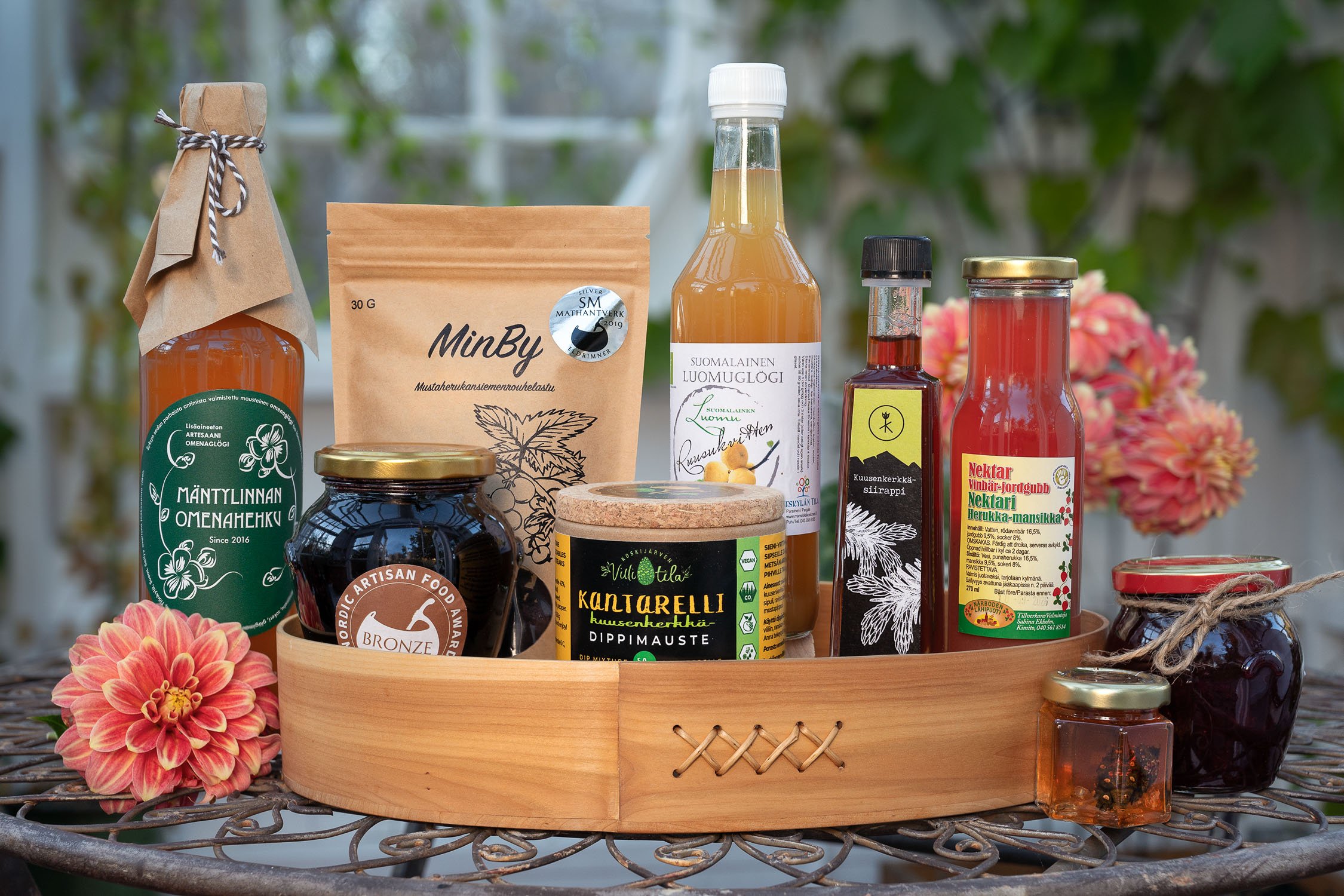
Producers can apply for certification
The certificate states that ensures a product is handcrafted, made from Finnish ingredients and free from additives. Certification helps consumers find genuine artisan products and offers producers an official recognition.
Would you like to certify your product or read more about certification?
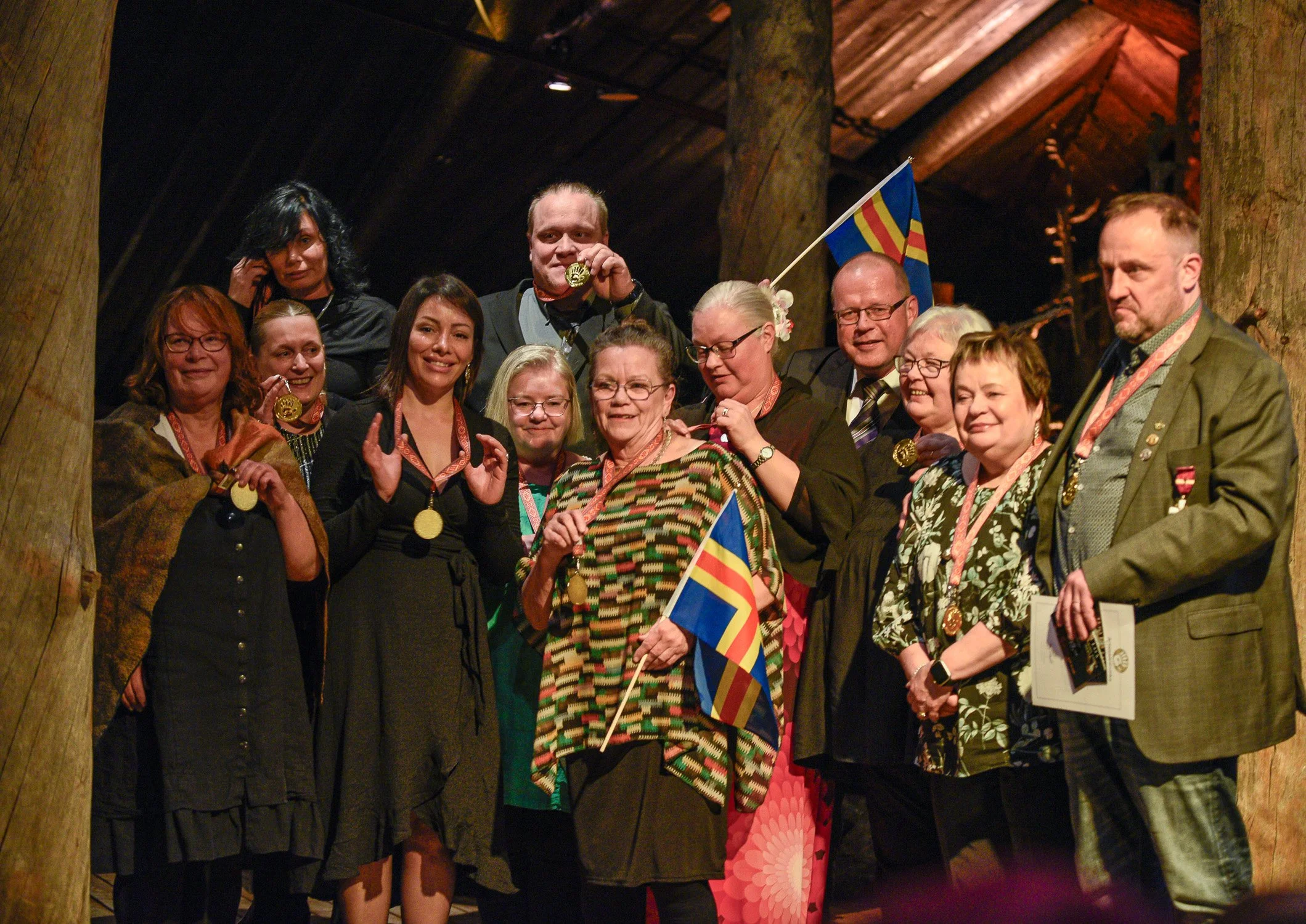
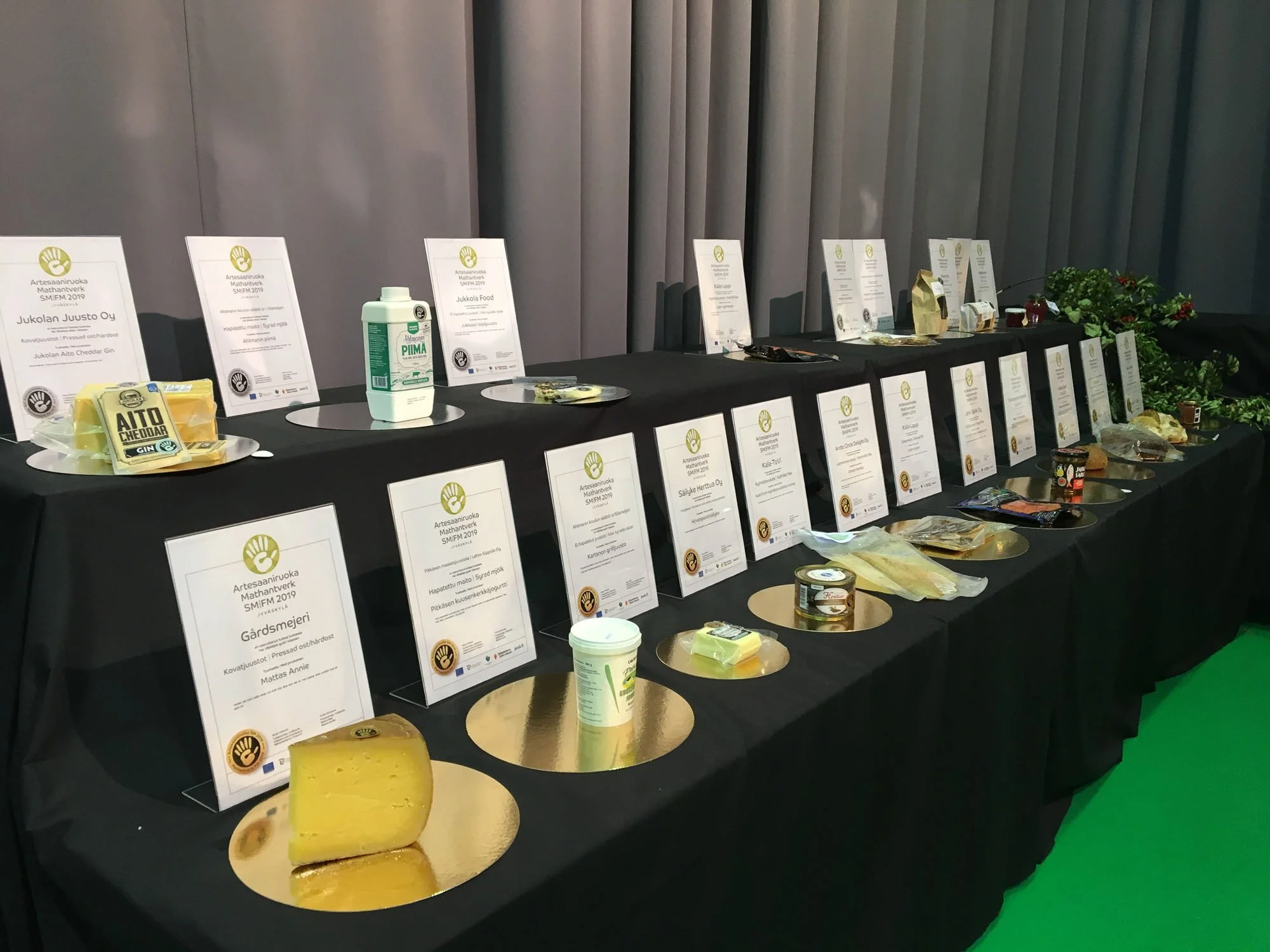
The annual Finnish Artisan Food Championships promote the quality and visibility of artisan food in Finland
The competition brings together producers from across the country and highlights products that excel in flavour, quality and craftsmanship.
By choosing artisan food, you support Finnish food producers and help keep our culinary heritage alive. Artisan food supports:
❊ local economies and rural vitality
❊ the preservation of food traditions
❊ clean and responsible food production
❊ a closer connection between consumers and producers
❊ appreciation for local, high-quality food